
Angular Contact
Ball Bearings
High-rigidity bearing solutions for combined radial and axial loads in machine tools, pumps, compressors, gearboxes, servo motors, robotics, and precision rotating systems.
Explore single row, double row, four-point contact, matched bearing sets, spindle bearings, ball screw support bearings, sealed designs, and custom angular contact ball bearing solutions for demanding industrial applications.
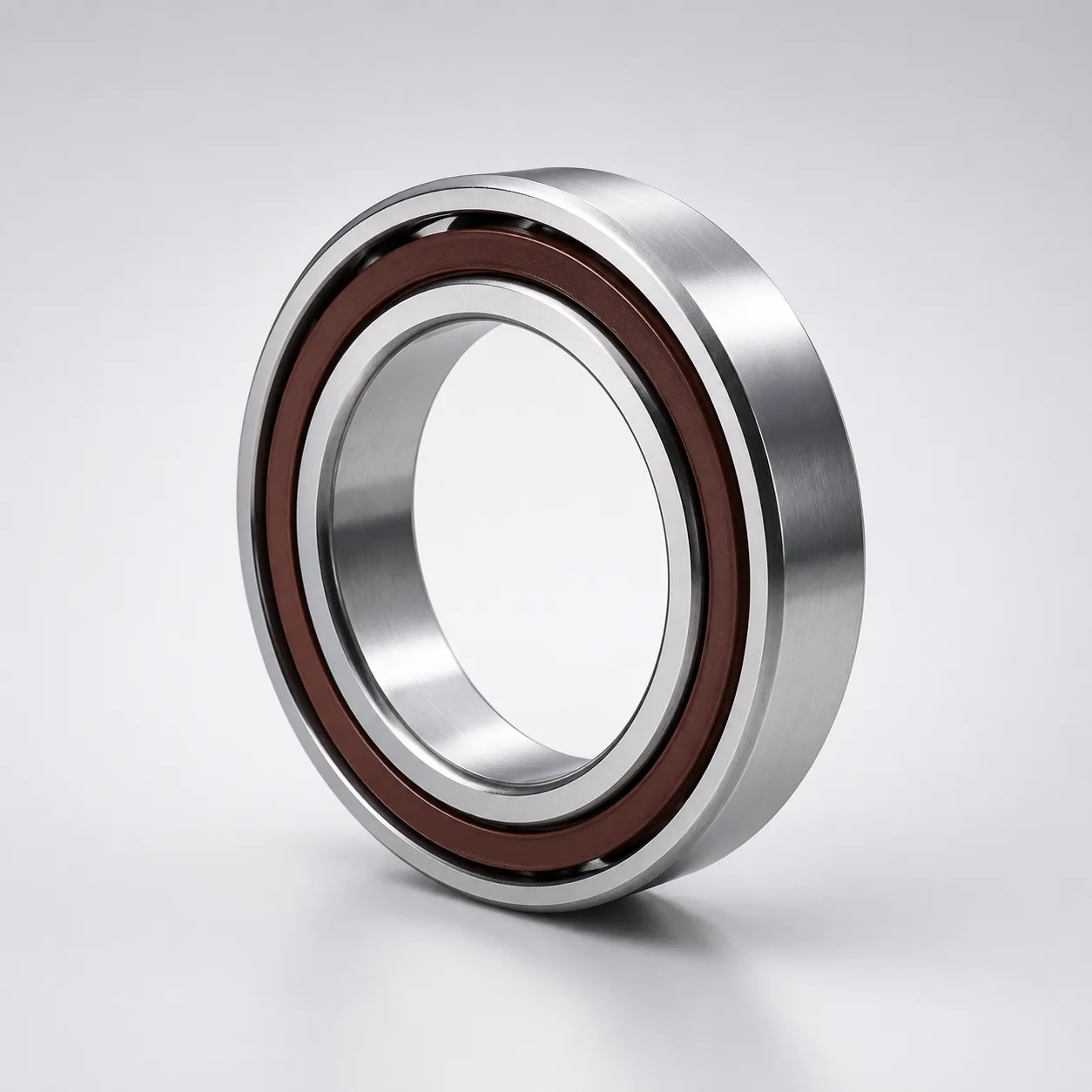
Combined Load
Radial + Axial Capacity
Angular Contact Ball Bearings from a Precision Bearing Manufacturer
As a precision bearing manufacturer, Haron Bearing supports global buyers with angular contact ball bearings for high-speed, high-rigidity, and combined-load applications. From material control and raceway grinding to preload matching, noise testing, dimensional inspection, and repeatable batch supply, we help OEMs, distributors, and engineering buyers source reliable bearing solutions for industrial projects.

Precision Manufacturing
Raceway grinding, heat treatment, assembly, and inspection for stable bearing performance.
OEM / ODM Support
Custom size, cage, seal, clearance, preload, lubrication, and packaging options.
Quality Inspection
Dimensional inspection, noise testing, vibration control, and batch traceability.
Global B2B Supply
Support for distributors, machinery manufacturers, repair companies, and industrial buyers.
What Are Angular Contact Ball Bearings?
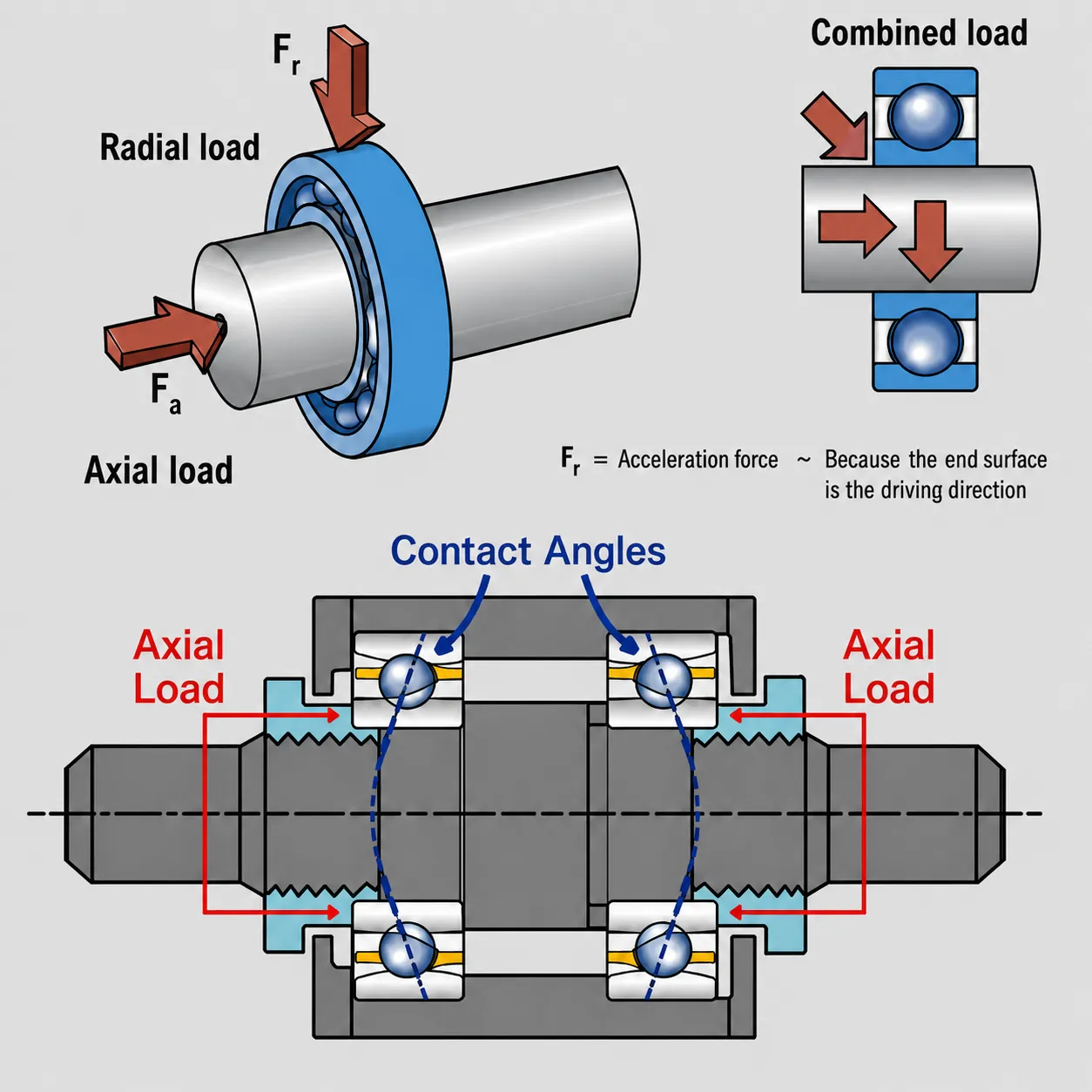
Angular contact ball bearings are precision ball bearings designed with inner and outer raceways that are displaced relative to each other in the axial direction. This creates a contact angle, allowing the bearing to support radial loads and axial loads at the same time.
They are commonly used when the application requires combined load capacity, higher axial rigidity, accurate shaft positioning, high-speed rotation, preload control, or multi-bearing arrangements.
1. Contact Angle Design
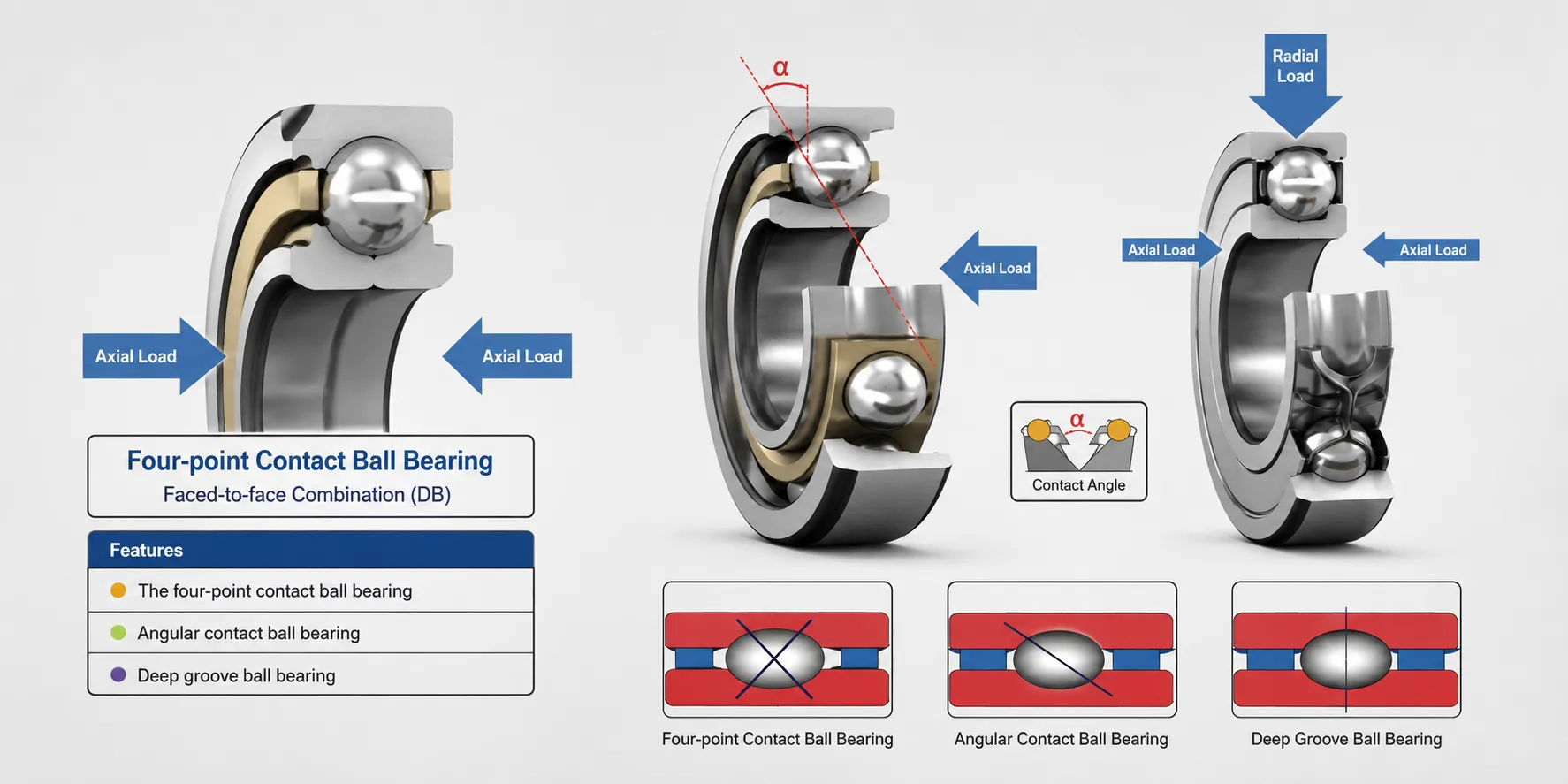
The contact angle allows the bearing to support axial load while carrying radial load.
2. Combined Load Capacity
Suitable for applications where radial force and thrust force act together.
3. High-Speed Rotation
Designed for machine tools, motors, pumps, compressors, and precision equipment.
4. Preload and Rigidity
Matched bearing sets can improve stiffness and positioning accuracy.
5. Pairing Flexibility
Available in single row, double row, DB, DF, DT, and multi-bearing arrangements.
6. Application Selection
Bearing type, contact angle, preload, cage, seal, and precision grade should match the condition.
For other ball bearing solutions, explore Deep Groove Ball Bearings, Self-Aligning Ball Bearings, and Thrust Ball Bearings.
How Angular Contact Ball Bearings Work
The performance of an angular contact ball bearing comes from its contact angle. When radial load is applied, an axial force component is generated. For this reason, single row angular contact ball bearings are often used in pairs or sets to balance axial force, improve rigidity, and maintain accurate shaft positioning.
- Inner ring, outer ring, ball set, and cage structure.
- Raceway geometry defines the contact angle.
- Back-to-back, face-to-face, or tandem pairing logic.
Engineering Note: A larger contact angle generally improves axial load capacity, while a smaller contact angle is usually better for higher speed operation. The final choice depends on load direction, speed, rigidity target, shaft arrangement, lubrication, and installation accuracy.
How to Choose the Right Angular Contact Ball Bearing
Follow this 6-step engineering approach to match bearing specifications with your application requirements.
Confirm the Application
Machine tool spindle, pump, compressor, gearbox, electric motor, ball screw, robot joint, or servo motor.
Different applications require different speed, rigidity, and precision grades.
Identify Load Direction
Radial load, axial load (one or both directions), combined load, moment load, or shock load.
Single row for one direction; paired/double row for bidirectional loads.
Choose the Structure
Single row, double row, four-point contact, matched set, super precision, or ball screw support bearing.
Must match available space, load direction, and maintenance needs.
Select Contact Angle
15° (high speed), 25° (balanced), 30° (general), 40° (high axial load), 60° (ball screw support).
Smaller angle = higher speed. Larger angle = higher axial capacity.
Confirm Pairing & Preload
DB (Back-to-back), DF (Face-to-face), DT (Tandem), Universal matching. Light, medium, or heavy preload.
Preload strongly affects rigidity, heat generation, and service life.
Finalize Specs
Precision grade, cage material, steel/ceramic balls, open/sealed, lubrication type, and packaging.
Critical details before sampling or batch purchasing.
Explore by Application
Angular contact ball bearings are critical rotating components for different mechanical systems. See how they perform in real industrial applications.
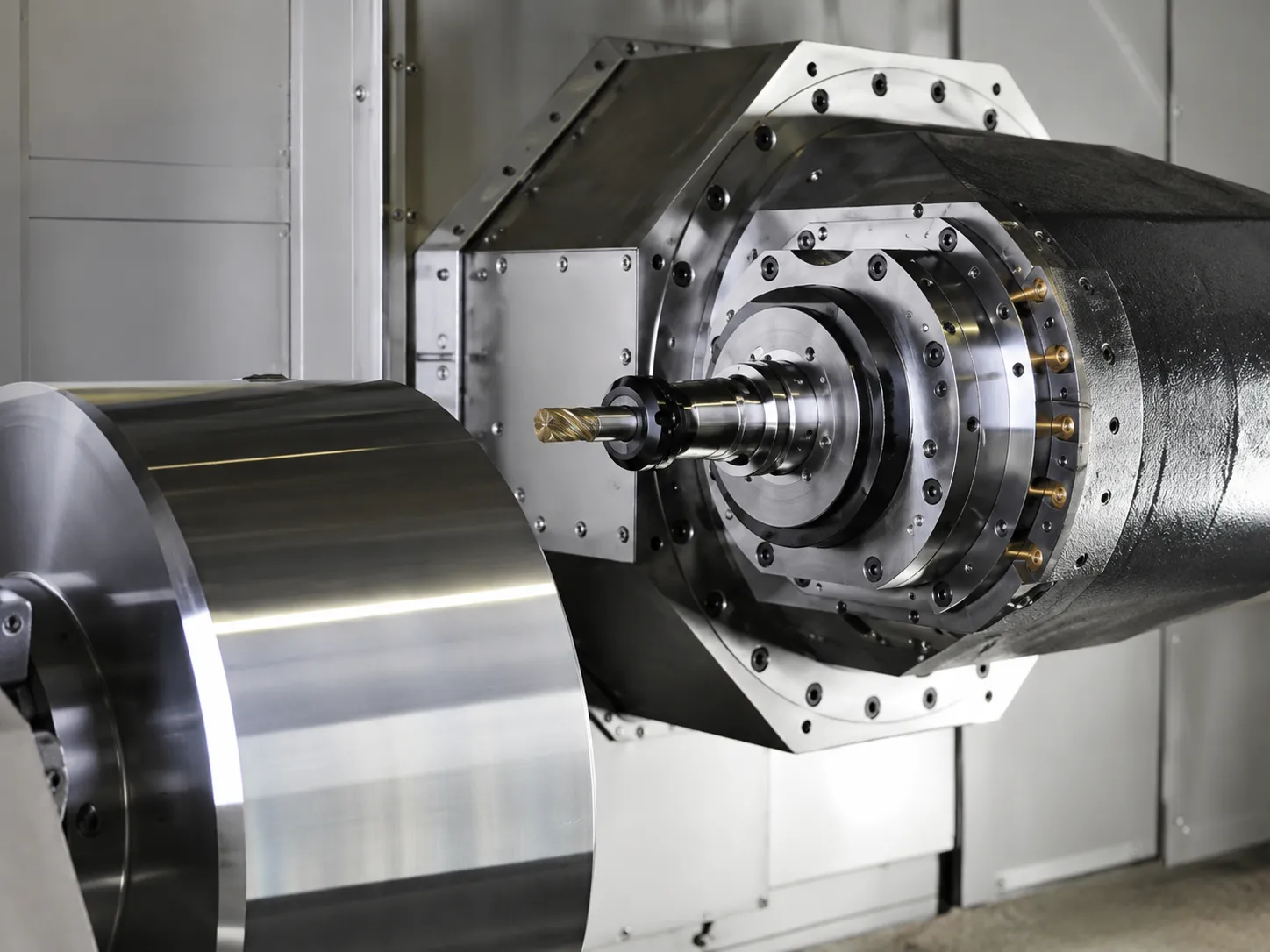
Machine Tool Spindles
High-precision angular contact bearings for CNC spindles, grinding spindles, milling spindles, and machining centers.
Related: Cylindrical Roller Bearings
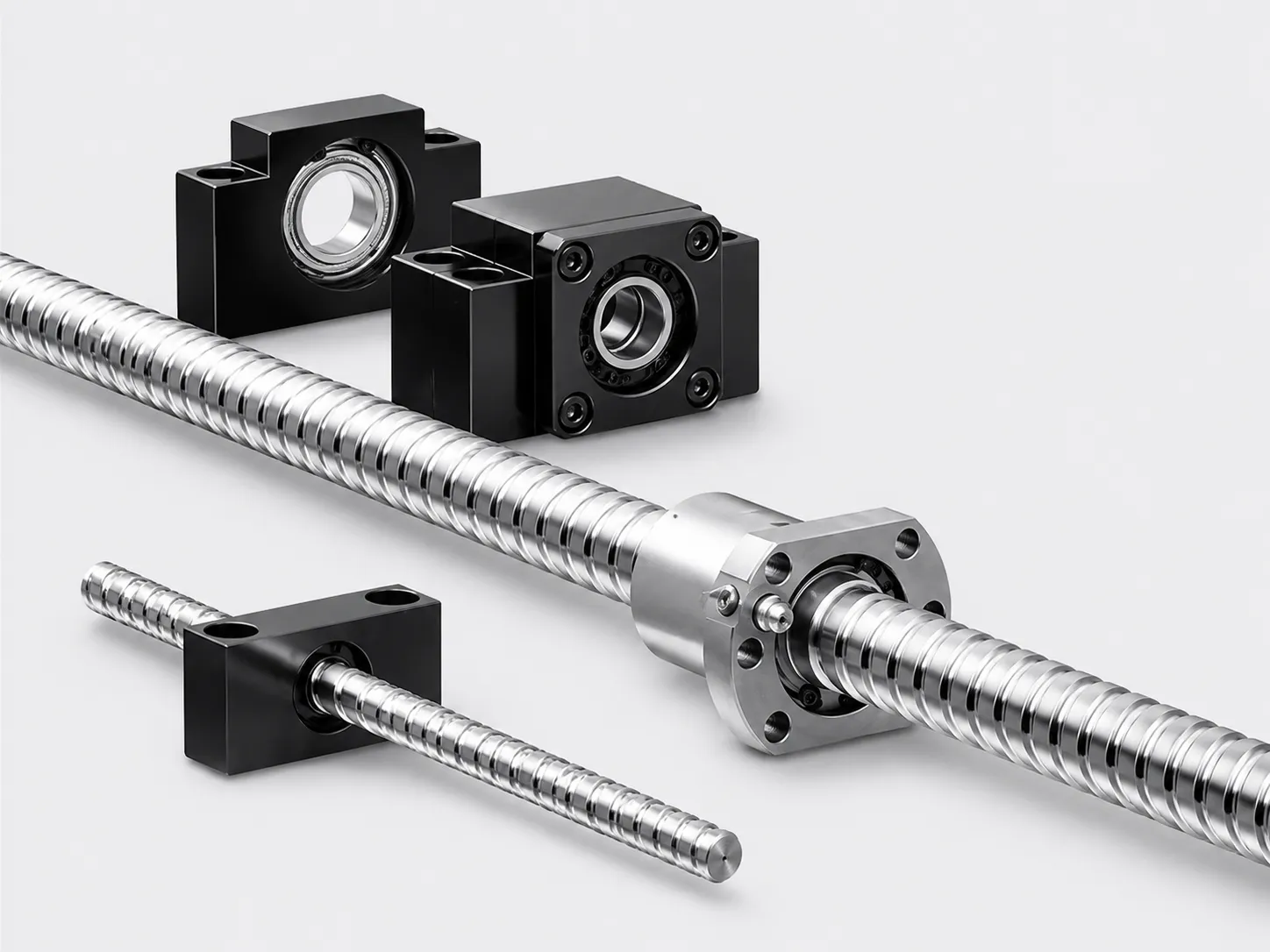
Ball Screw Support Units
Angular contact thrust ball bearings for CNC feed systems, precision positioning tables, and servo-driven linear axes.
Related: Thrust Ball Bearings
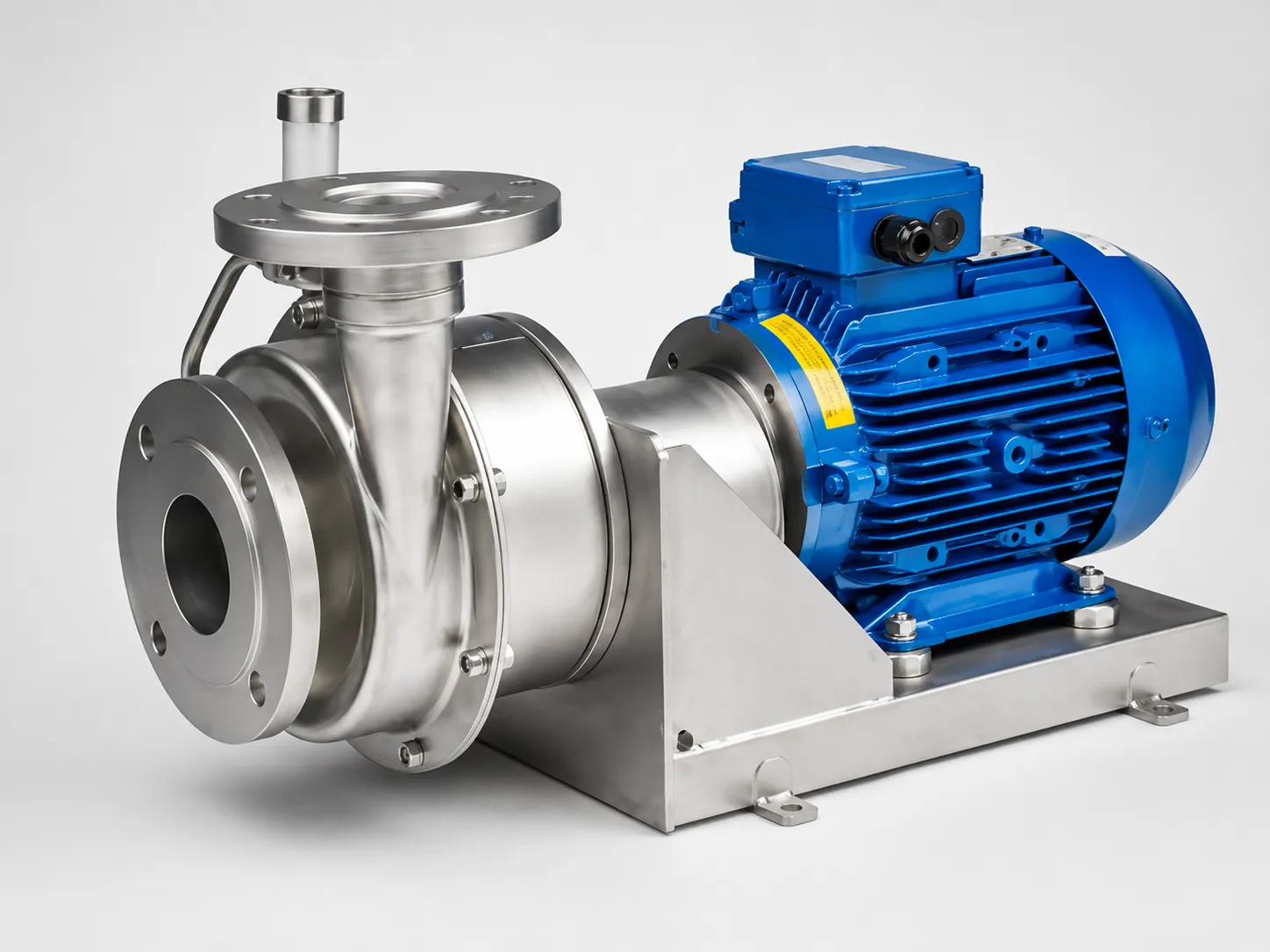
Industrial Pumps
Angular contact ball bearings for pump shafts where radial and axial hydraulic forces act together.
Related: Deep Groove Ball Bearings
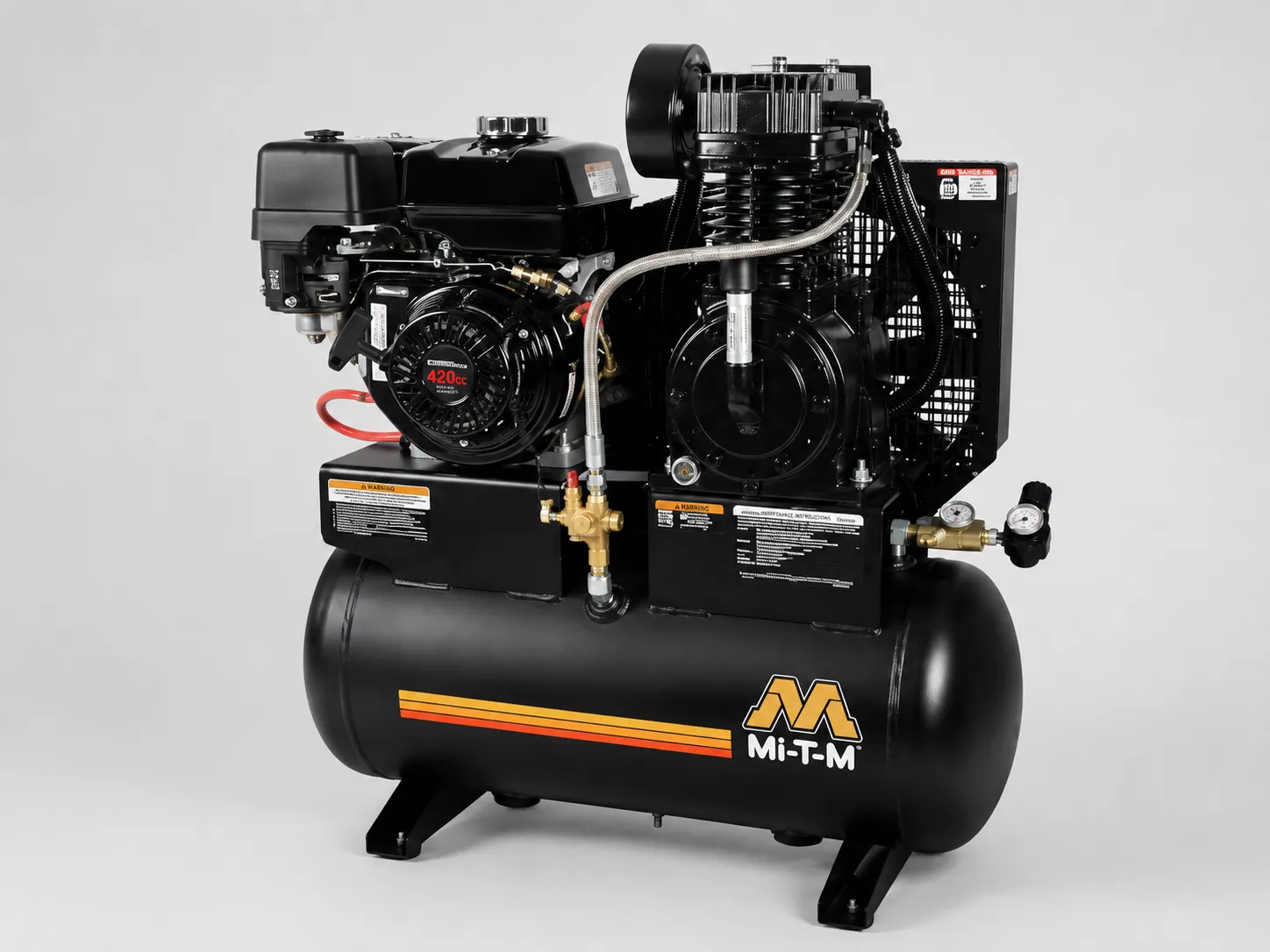
Compressors
Bearings for compressor rotors requiring stable axial positioning, speed capability, and reliable continuous operation.
Related: Cylindrical Roller Bearings
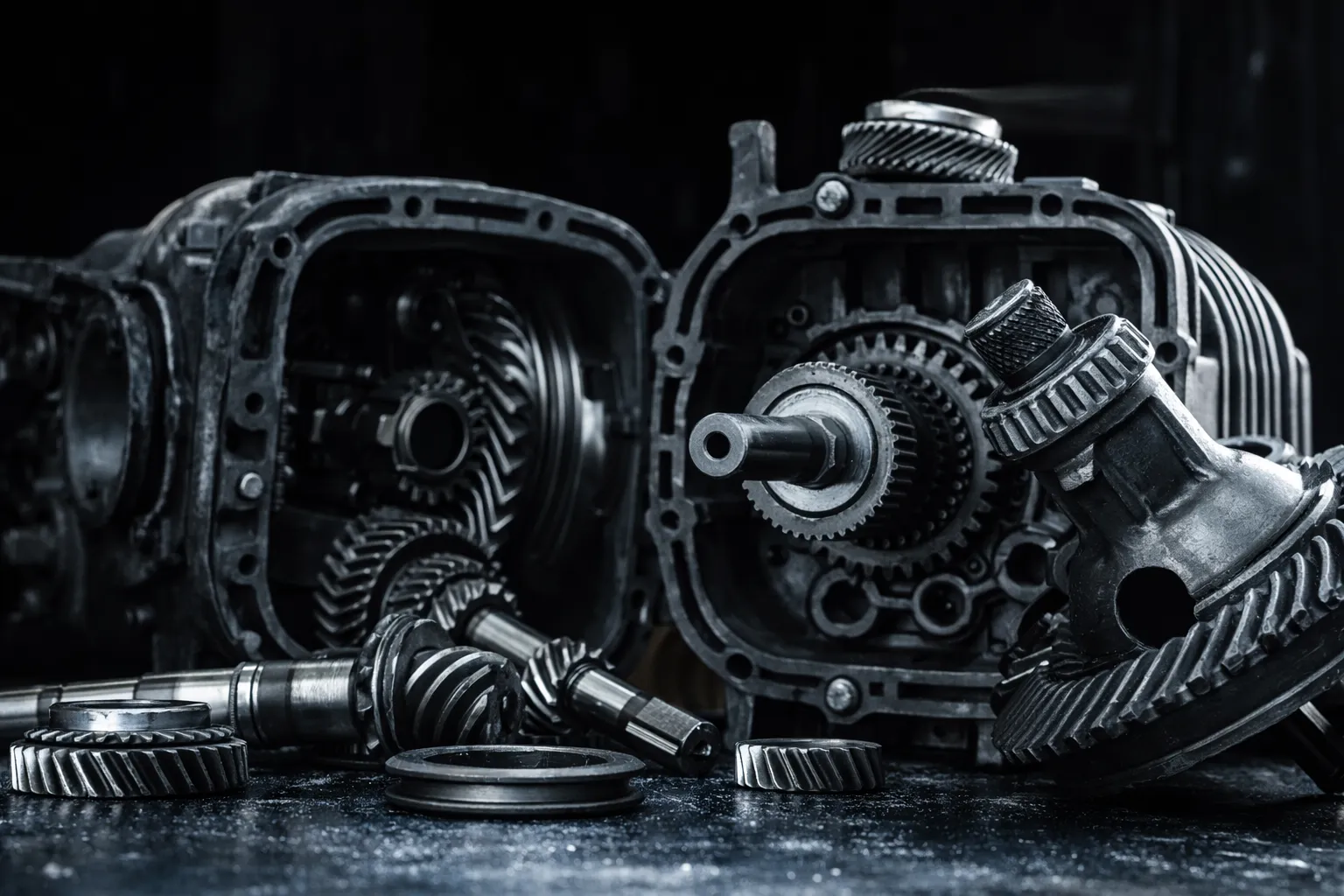
Gearboxes
Angular contact bearings for gear shafts where thrust loads and radial forces are generated by gear engagement.
Related: Tapered Roller Bearings

Robotics & Automation
Compact and precise angular contact bearings for robot joints, harmonic drive supports, and precision automation modules.
Related: Cross Roller Bearings
Angular Contact Ball Bearing Categories
Single Row
For combined radial and one-direction axial loads.
Best for: General combined load
Advantage: Flexible pairing
Double Row
Compact design supporting bidirectional axial loads.
Best for: Pumps, compressors
Advantage: Compact rigidity
Four-Point Contact
Space-saving design for two-way axial loads.
Best for: Gearboxes, tight spaces
Advantage: Single row footprint
Matched Sets
DB, DF, DT pairs for precise preload and rigidity.
Best for: Precision shaft support
Advantage: Preload control
Super Precision
High running accuracy and low vibration.
Best for: CNC, measurement eq.
Advantage: High rotational accuracy
Spindle Bearings
Optimized for extreme high-speed machine tools.
Best for: High-speed spindles
Advantage: Low heat generation
Ball Screw Support
60° contact angle for high axial rigidity.
Best for: CNC feed axes, servos
Advantage: Precise positioning
Hybrid Ceramic
Steel rings with ceramic balls for low friction.
Best for: Medical, semiconductor
Advantage: High speed, low mass
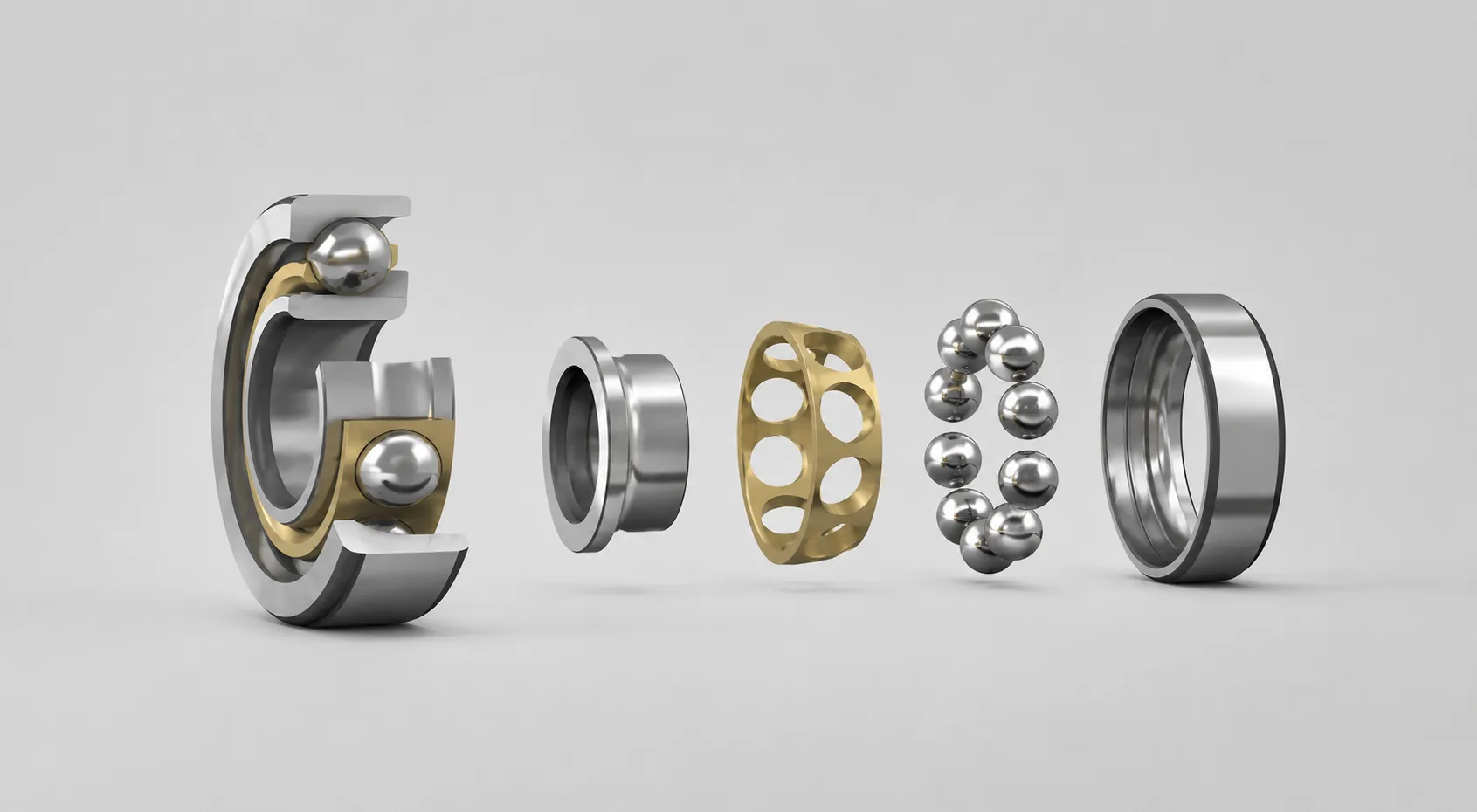
Single Row Angular Contact Ball Bearings
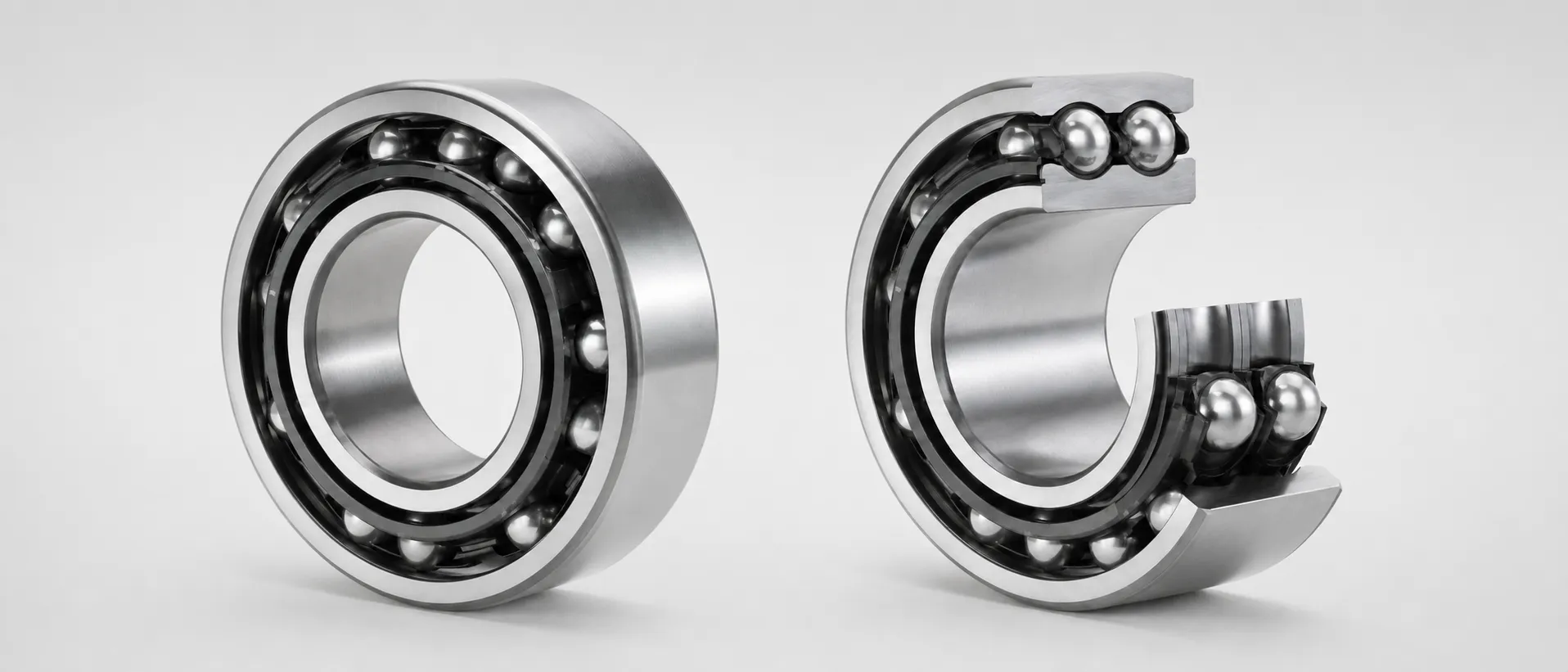
Single row angular contact ball bearings are designed to carry radial loads and axial loads in one direction. When axial load acts in both directions, they are commonly used as matched pairs or multi-bearing arrangements to balance force and improve shaft support rigidity.
- • Suitable for combined radial and one-direction axial loads
- • Usually used in pairs when axial loads act in both directions
- • Available in multiple contact angles (15°, 25°, 30°, 40°)
- • Suitable for motors, pumps, compressors, and gearboxes
For general radial load applications, explore Deep Groove Ball Bearings.
Double Row Angular Contact Ball Bearings
Double row angular contact ball bearings provide a compact solution for applications requiring combined radial load capacity, bidirectional axial load support, and higher rigidity within limited mounting space.
- • Similar to two single row bearings arranged back-to-back
- • Can support axial loads in both directions
- • Higher rigidity than single bearing structure
- • Compact design for pumps, motors, and industrial machinery
For higher radial load capacity, explore Cylindrical Roller Bearings.
Four-Point Contact Ball Bearings
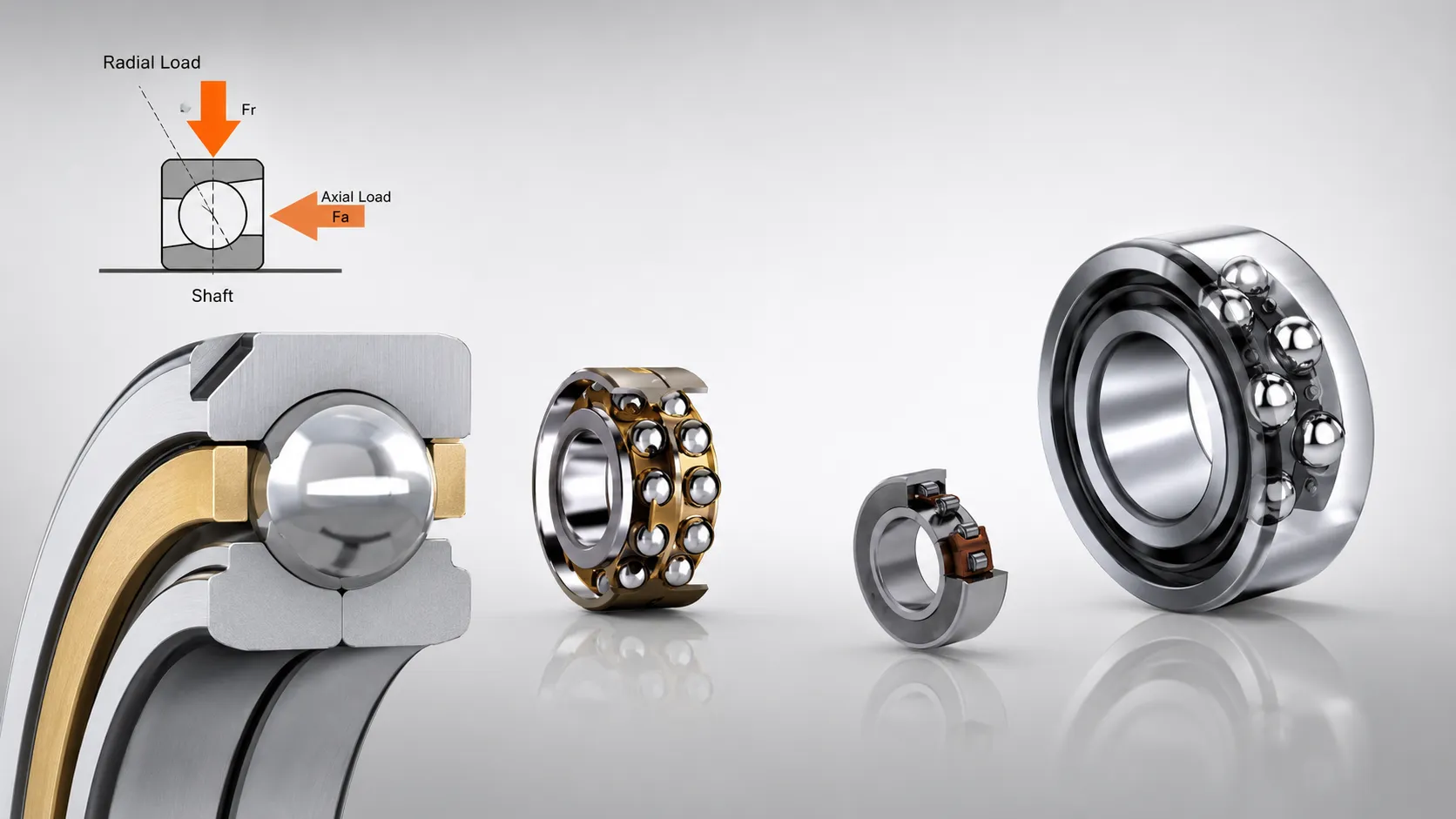
Four-point contact ball bearings are compact angular contact ball bearings designed to support axial loads in both directions. They are often used where space is limited and bidirectional thrust load support is required.
- • Compact single-row design for two-way axial loads
- • Useful when axial space is strictly limited
- • Suitable for gearboxes, pumps, and rotating mechanisms
- • Should be selected carefully when radial load is high
For heavy combined loads, compare with Tapered Roller Bearings.
Matched Angular Contact Bearing Sets
Matched angular contact bearing sets are supplied as controlled pairs or sets to achieve the required preload, rigidity, and axial load capacity. They are widely used in machine tool spindles, ball screw supports, precision rotary axes, and high-speed machinery.
- • DB (back-to-back), DF (face-to-face), DT (tandem)
- • Universal matching for flexible assembly
- • Preload control (light, medium, heavy)
- • High rigidity and accurate shaft positioning
For precision rotary applications, explore Cross Roller Bearings.
Super Precision Angular Contact Ball Bearings
Super precision angular contact ball bearings are designed for applications where speed, rigidity, runout control, vibration performance, and thermal stability are critical. They are commonly used in CNC spindles, precision machinery, and high-speed rotating systems.
- • High running accuracy (P4, P2 grades)
- • Low vibration and noise
- • High-speed capabilities
- • Suitable for CNC spindles, grinding, and semiconductor equipment
For spindle support systems, explore Cylindrical Roller Bearings.
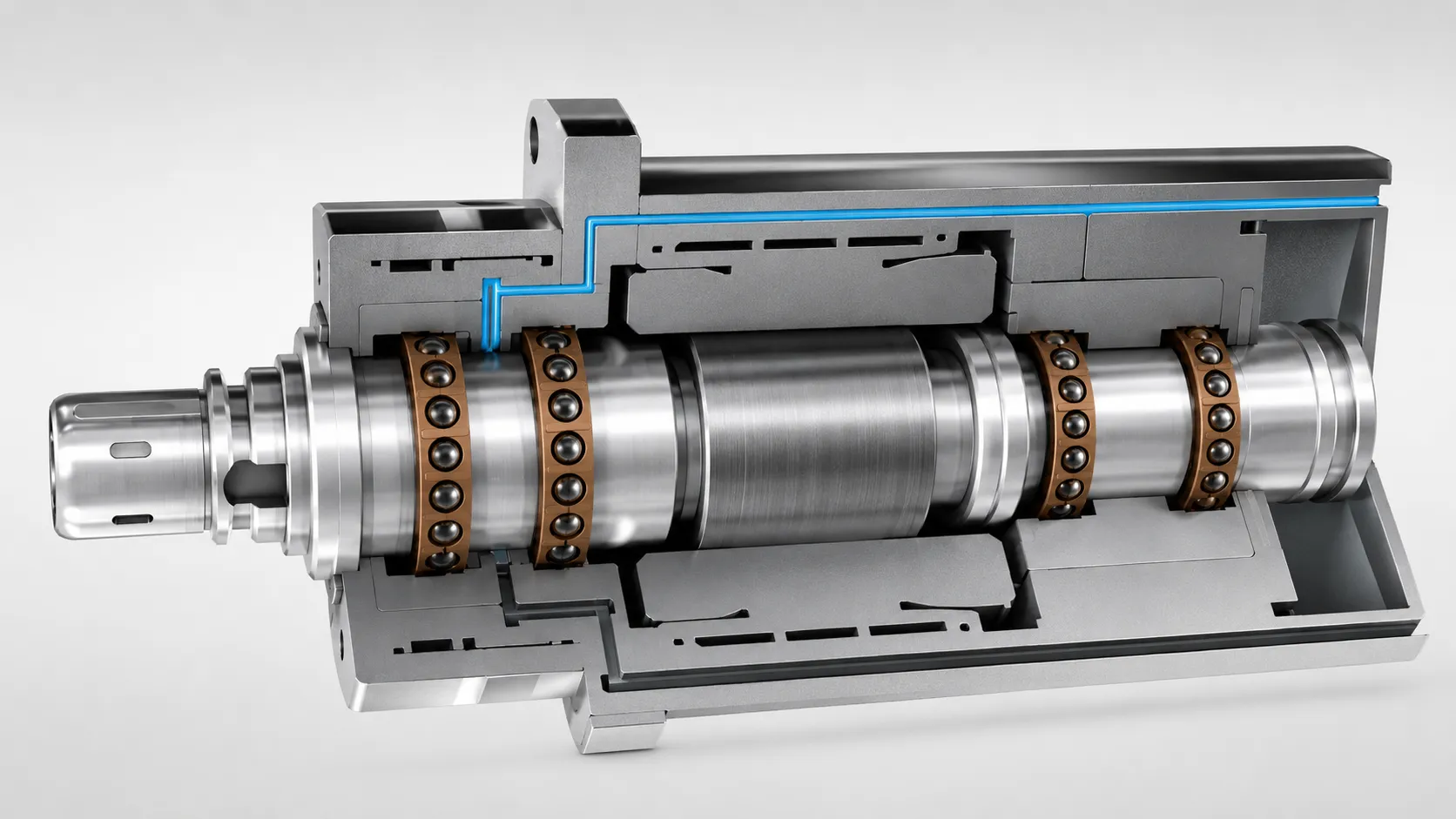
Spindle Angular Contact Ball Bearings
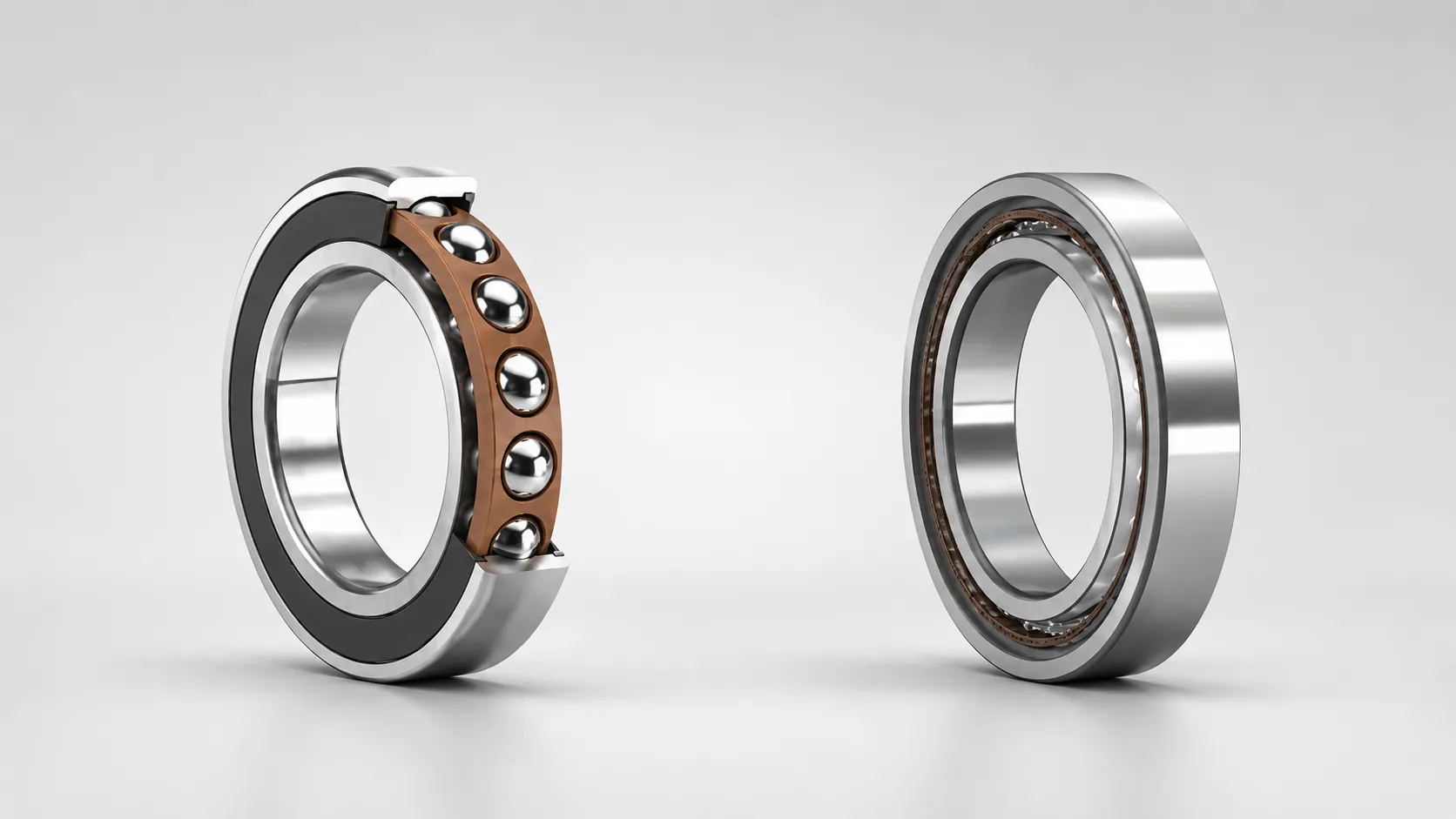
Spindle angular contact ball bearings are optimized for high-speed rotation, precision preload, and stable running accuracy. Proper bearing selection should consider speed factor, lubrication method, preload, arrangement, mounting accuracy, and temperature control.
- • Designed specifically for extreme high-speed spindles
- • Low heat generation under high RPM
- • Stable preload under thermal expansion
- • Oil-air or grease lubrication options
For machine tool bearing systems, explore Precision Bearings.
Ball Screw Support Bearings
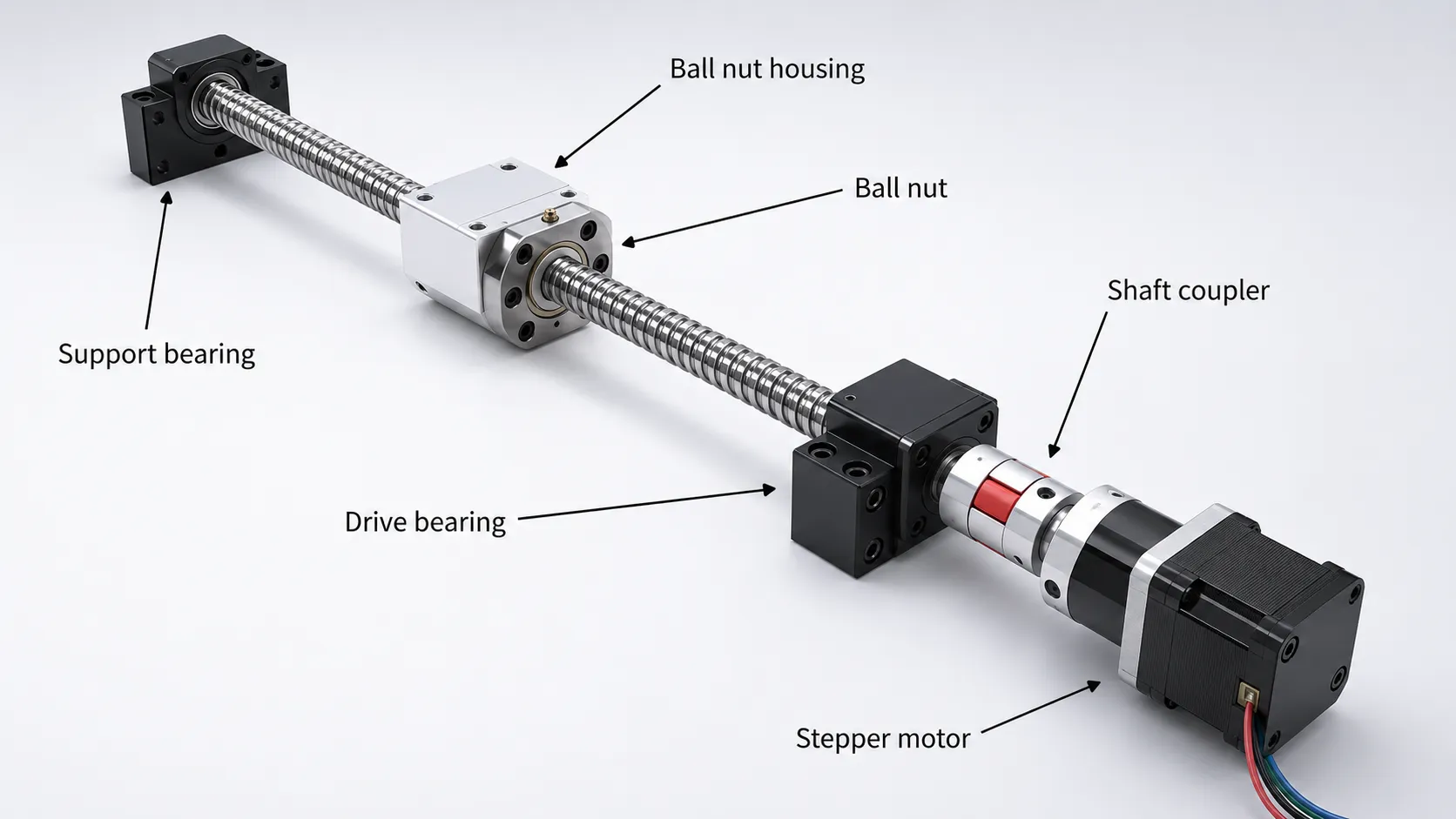
Ball screw support bearings are angular contact thrust ball bearings designed for high axial rigidity and accurate positioning. They are used in CNC feed systems, automation modules, servo axes, and precision linear motion systems.
- • Large contact angle (typically 60°)
- • Extremely high axial rigidity
- • Precision positioning for feed systems
- • Often supplied as matched sets
For linear motion systems, explore Thrust Ball Bearings.
Hybrid Ceramic Angular Contact Ball Bearings
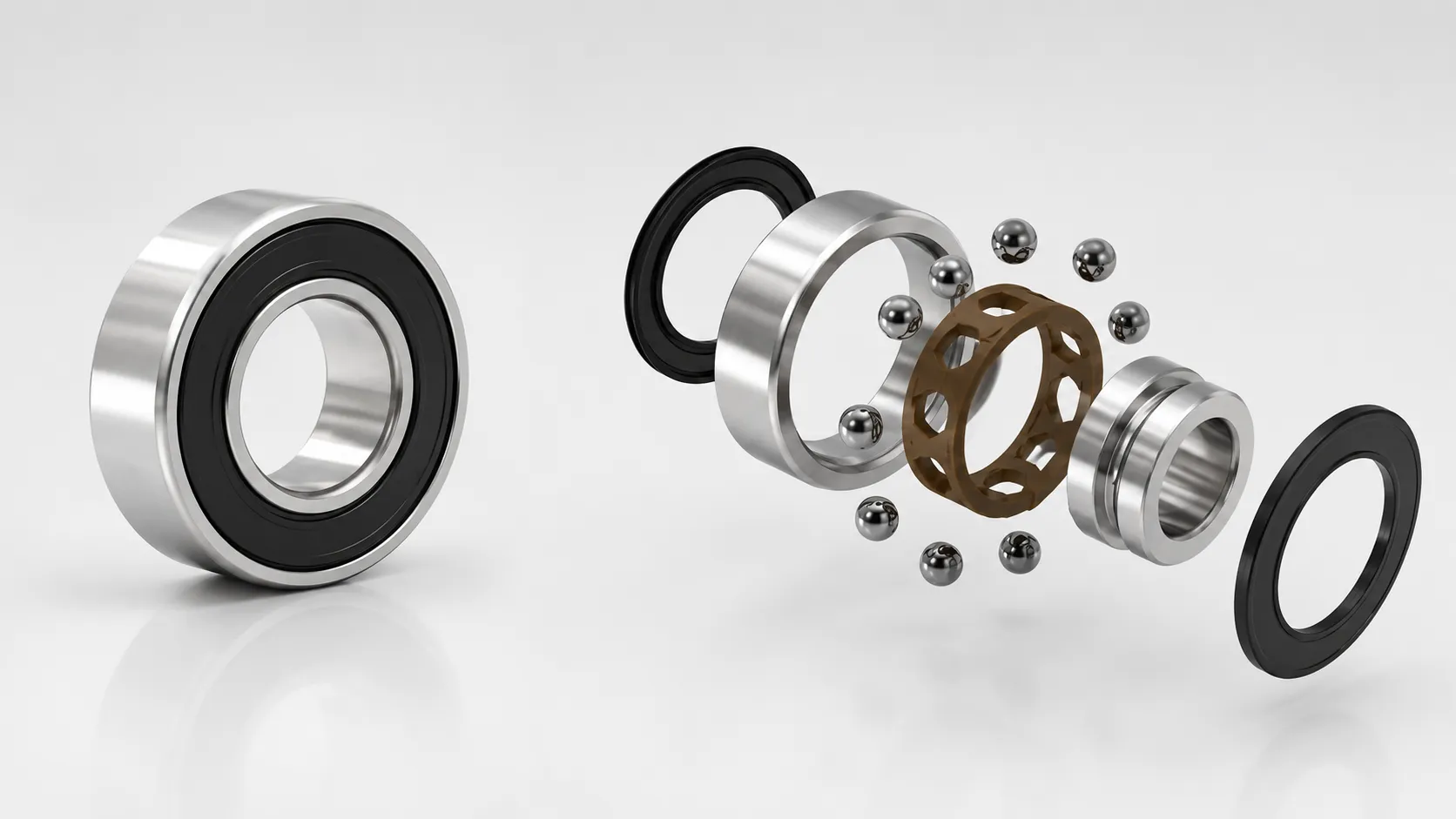
Hybrid ceramic angular contact ball bearings use ceramic balls with steel rings to reduce rolling element mass, improve high-speed capability, and support lower heat generation in precision applications.
- • Steel rings with ceramic (Si3N4) balls
- • Lower density rolling elements reduce centrifugal force
- • Lower heat generation and higher speed limit
- • Suitable for spindle, medical, and semiconductor equipment
For special environments, explore Ceramic Bearings.
Contact Angle and Pairing Arrangement Guide
Essential engineering data for selecting the right geometry and layout.
Contact Angle Selection
| Contact Angle | Best For | Main Advantage | Typical Applications |
|---|---|---|---|
| 15° | High-speed operation | Lower friction and better speed capability | Spindle, high-speed motor, precision equipment |
| 25° | Balanced speed and axial capacity | Good balance between speed and rigidity | Machine tool, motor, pump |
| 30° | General combined load applications | Stronger axial capacity than smaller contact angle | Gearbox, compressor, industrial machinery |
| 40° | Higher axial load capacity | Stronger thrust load support | Pump, gearbox, heavy-duty machinery |
| 60° | High axial rigidity | Excellent axial stiffness for positioning | Ball screw support, CNC feed axis, servo system |
Pairing Arrangement Selection
| Arrangement | Best For | Main Advantage | Notes |
|---|---|---|---|
| DB / Back-to-Back | Moment load and high rigidity | Strong resistance to overturning moment | Common in spindles and precision shaft supports |
| DF / Face-to-Face | Applications requiring better tolerance of misalignment | More forgiving installation | Suitable for general precision machinery |
| DT / Tandem | Heavy axial load in one direction | Higher same-direction axial capacity | Needs another bearing arrangement for reverse axial load |
| Universal Matching | Flexible assembly | Easier pairing and preload control | Suitable for OEM and maintenance supply |
Need help selecting contact angle or bearing arrangement? Send your load, speed, shaft layout, and application details.
Not Just a Bearing. A Complete Shaft Support System.
Many bearing failures are not caused by the bearing type alone. They often come from wrong contact angle selection, improper preload, poor mounting accuracy, insufficient lubrication, weak housing rigidity, or incorrect bearing arrangement.
A reliable selection should consider:
Haron Bearing helps B2B buyers match angular contact ball bearings with shaft layout, load direction, speed, preload, and installation requirements before sampling or batch purchasing.
Related Bearing Products
Deep Groove Ball Bearings
For high-speed radial load applications in motors, pumps, fans, and general machinery.
Cylindrical Roller Bearings
For high radial load capacity, high rigidity, and machine tool spindle support.
Tapered Roller Bearings
For heavy combined radial and axial loads in gearboxes, vehicles, and industrial machinery.
Thrust Ball Bearings
For applications where axial load is the main design requirement.
Cross Roller Bearings
For compact, high-rigidity rotary motion in robots, turntables, and precision equipment.
Thin Section Bearings
For lightweight, space-saving bearing designs in robotics, aerospace, and medical devices.
Needle Roller Bearings
For compact high-load applications with limited radial space.
Self-Aligning Bearings
For applications where shaft deflection or misalignment may occur.
Built for Precision Bearing Projects, Not Just Product Display
We speak the language of mechanical engineers and procurement managers.
1. Bearing Structure Knowledge
Understanding of contact angle, raceway geometry, preload, cage design, lubrication, and bearing arrangement.
2. Precision Manufacturing
Support for raceway grinding, heat treatment, superfinishing, assembly control, and dimensional inspection.
3. Preload and Pairing Support
Support for matched bearing sets, DB / DF / DT arrangements, preload control, and application-based selection.
4. Application Engineering
Support for machine tools, pumps, compressors, gearboxes, servo motors, robotics, and automation equipment.
5. Quality Inspection
Noise testing, vibration checking, dimensional inspection, visual inspection, packaging control, and batch traceability.
6. OEM & Distributor Support
Support for custom bearing requirements, private label packaging, sample orders, and repeatable supply.
Which Angular Contact Ball Bearing Fits Your Project?
| Type | Best For | Load Direction | Main Advantage |
|---|---|---|---|
| Single Row | General combined load | Radial + one-direction axial | High speed and flexible pairing |
| Double Row | Compact bidirectional support | Radial + axial both directions | Higher rigidity in compact space |
| Four-Point Contact | Space-saving axial support | Axial both directions (limited radial) | Compact two-way axial support |
| Matched Sets | Precision shaft support | Depends on DB/DF/DT arrangement | Preload control and high rigidity |
| Super Precision | High-speed/accuracy systems | Combined load + precision | Low vibration & running accuracy |
| Ball Screw Support | High axial rigidity | Axial load dominated | Accurate positioning |
| Hybrid Ceramic | High-speed/low-heat | Combined load | Lower mass and reduced heat |
For complete bearing selection, combine bearing type, contact angle, preload, precision grade, lubrication, shaft fit, housing fit, and application speed before sampling.